
Safety First.
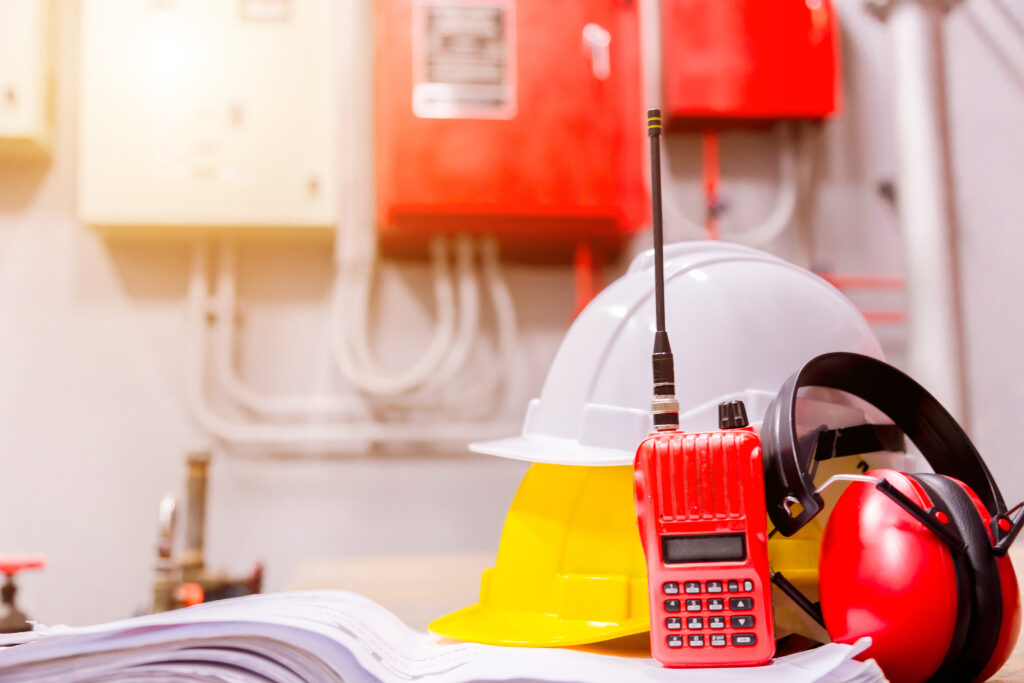
At Prime EPC, safety isn’t paperwork, it’s culture.

Working at P-EPC
Zero-Incident Mindset:
Every task starts with hazard recognition and mitigation planning.
OSHA-Compliant Safety Programs:
We maintain an Injury and Illness Prevention Program (IIPP) that meets or exceeds California Labor Code §6401.7 standards.
Job Safety Analysis (JSA):
Every field task is reviewed before execution to identify risks and define controls.
Training and Certification:
Our personnel are trained in OSHA 10/30, confined space entry, trench safety, first aid, and utility-specific protocols.
Field Audits and Toolbox Talks:
Regular site inspections and daily safety briefings ensure consistent awareness and accountability.
Continuous Improvement:
Lessons learned from each project are shared across teams to strengthen our safety culture.
How Safety Improves Our Services
Below is an overview of the codes, standards, and best practices that guide our work across disciplines.
1. Natural Gas & Utility Infrastructure
- 49 CFR Part 192 – Pipeline Safety: Gas Transmission & Distribution
- ASME B31.8 – Gas Transmission and Distribution Piping Systems
- API RP 1102 – Steel Pipelines Crossing Railroads and Highways
- API 1169 – Pipeline Construction Inspection
- PHMSA Pipeline Safety Regulatory Portal
- Horizontal Directional Drilling (HDD) safety protocols for underground crossings
- Corrosion control & cathodic protection per NACE SP0169
- Operator Qualification (OQ) and Integrity Management (IM) programs compliant with PHMSA standards
- SCADA and control system cybersecurity in accordance with NERC CIP
2. Electric Power Systems
- National Electrical Safety Code (NESC, ANSI C2)
- National Electrical Code (NEC, NFPA 70)
- IEEE Standards for Substation Design and Grounding (IEEE 80, IEEE 81, IEEE 525)
- OSHA 29 CFR 1910 Subpart S – Electrical Safety
- NFPA 70E – Electrical Safety in the Workplace
- Arc flash and shock hazard assessment and labeling
- Lockout/Tagout (LOTO) programs per OSHA 1910.147
- Substation site grounding and equipotential bonding design per IEEE 80
- SCADA and automation reliability through redundancy and cyber protection
3. Water & Wastewater Systems
- AWWA (American Water Works Association) Design Standards
- California Department of Water Resources Guidelines
- OSHA 29 CFR 1926 Subpart P – Excavations
- Confined space entry per OSHA 1910.146
- Erosion and sediment control following SWPPP/Stormwater Pollution Prevention Plans
- Trench safety and shoring per OSHA Subpart P
- Disinfection and commissioning of potable water systems per AWWA C651
4. Fiber & Communications Infrastructure
- National Electrical Safety Code (NESC) for Aerial and Underground Fiber
- Federal Communications Commission (FCC) Telecommunications Infrastructure Standards
- TIA-568 & TIA-942 – Telecommunications Cabling and Data Center Standards
- OSHA 29 CFR 1910.268 – Telecommunications Safety
- Joint trench coordination and depth-of-cover standards
- Fiber optic handling and splicing safety
- Grounding and bonding for communication systems per NEC Article 800
- Utility locate and marking protocols per Common Ground Alliance Best Practices
5. Renewable Energy Systems (Solar, Microgrids, EV, RNG, Hydrogen)
- NFPA 70 (NEC) Article 690 – Solar Photovoltaic Systems
- IEEE 1547 – Interconnection of Distributed Energy Resources (DER)
- UL 1741 – Inverters, Converters, Controllers, and Interconnection System Equipment
- NFPA 855 – Energy Storage Systems
- ASME B31.12 – Hydrogen Piping and Pipelines
- 49 CFR Part 195 – Hazardous Liquid Pipeline Safety (for RNG and hydrogen transport)
- PV system grounding, arc-fault, and rapid shutdown compliance
- Microgrid protection coordination and islanding prevention
- EV charging infrastructure design to NEC Article 625 standards
- RNG station design following API RP 500 for hazardous area classification
- Hydrogen project design using ASME and CGA (Compressed Gas Association) guidelines for safety and material compatibility
6. Data & Technology Infrastructure
- TIA-942 – Telecommunications Infrastructure Standard for Data Centers
- NFPA 75 – Fire Protection of Information Technology Equipment
- NFPA 76 – Fire Protection for Telecommunications Facilities
- ANSI/BICSI 002 – Data Center Design and Implementation Best Practices
- ASHRAE 90.4 – Energy Standard for Data Centers
- Redundant electrical and mechanical system design for reliability
- Grounding and bonding per IEEE 142 (Green Book)
- Power quality management and monitoring
- Environmental control and energy efficiency for thermal management
- Fiber, network, and power segregation to meet uptime tier certifications (Uptime Institute)
7. General Construction & Workplace Safety
- OSHA 29 CFR 1926 – Construction Industry Standards
- Cal/OSHA Construction Safety Orders
- ANSI Z117.1 – Safety Requirements for Confined Spaces
- Pre-task planning and Job Safety Analysis (JSA)
- PPE compliance and site-specific training
- Fall protection systems and aerial lift safety
- Daily safety briefings and field audits
- Continuous improvement through Lessons Learned programs